We eliminate operational blind spots by transforming complex workflows into clear, visual, and continuously optimized business processes.
Business Process Mapping
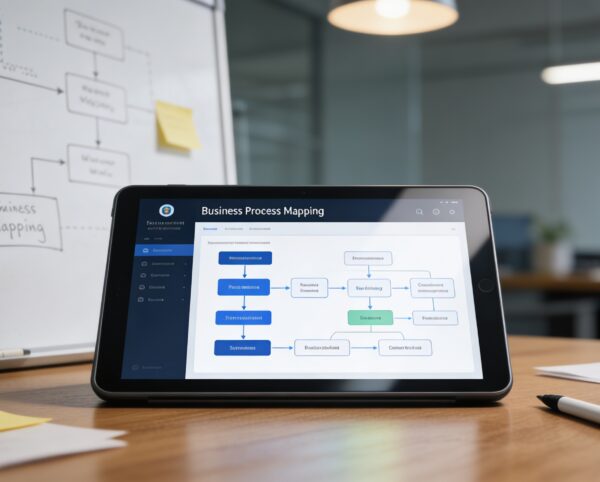
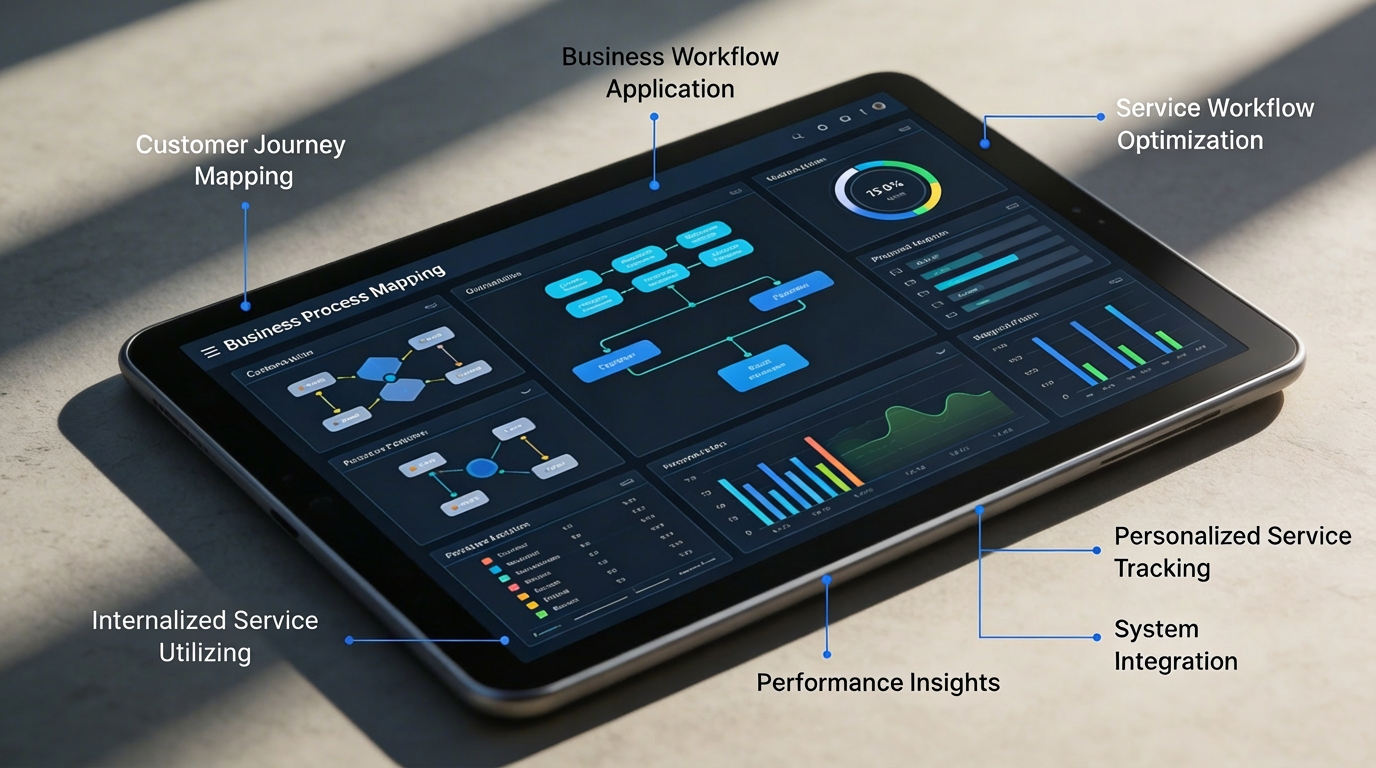
The Business Process Mapping Module is designed to help organizations understand, document, and continuously improve their internal processes. By offering a visual, collaborative platform, it ensures teams work cohesively, adapt quickly to changes, and maintain compliance with regulatory or quality standards.
Turning Complex Operations into Optimized Workflows
Organizations often struggle with undocumented processes, inefficiencies, compliance risks, and misalignment across teams. The Business Process Mapping Module addresses these challenges by visually documenting workflows, enabling collaboration, and embedding compliance directly into operations. This empowers businesses to standardize execution, eliminate bottlenecks, and continuously improve performance with clarity and control.
Key Features
📊 Interactive Process Diagrams
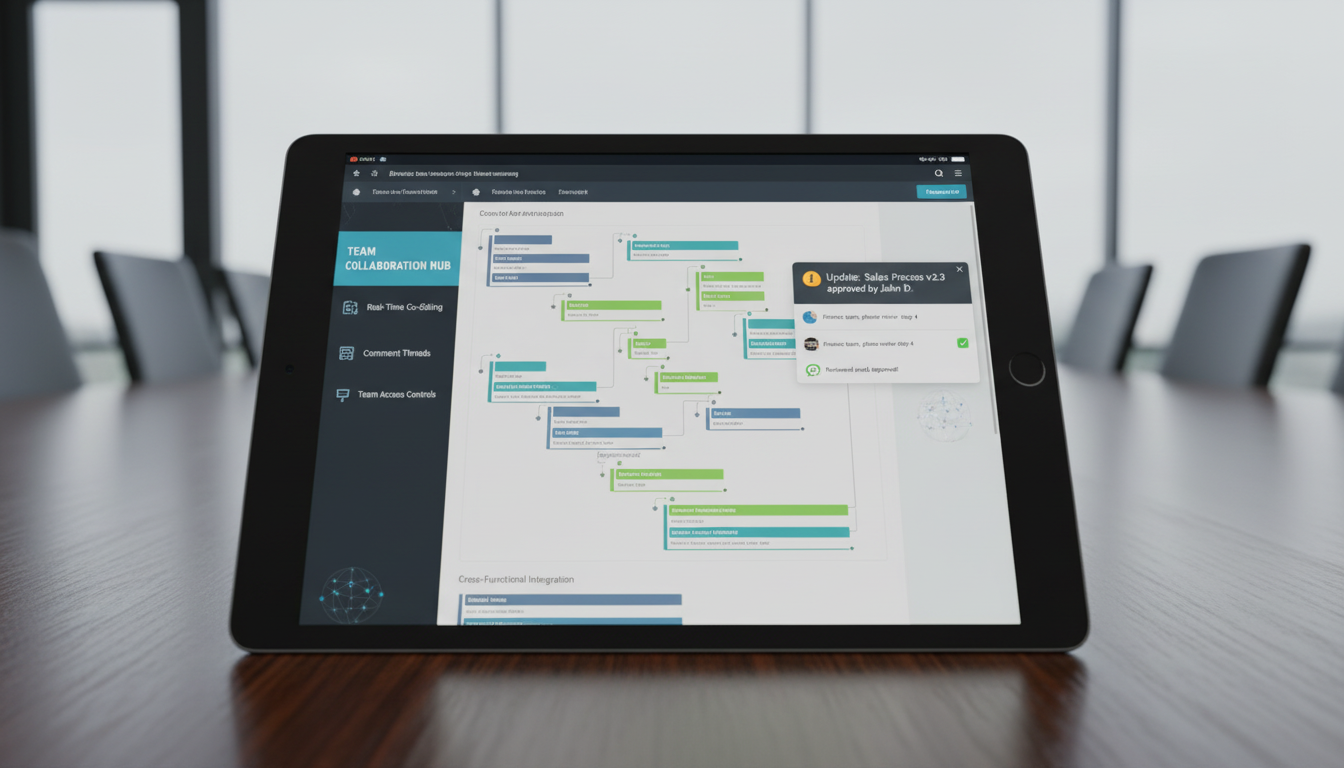
🧩 Real-Time Collaboration & Commenting
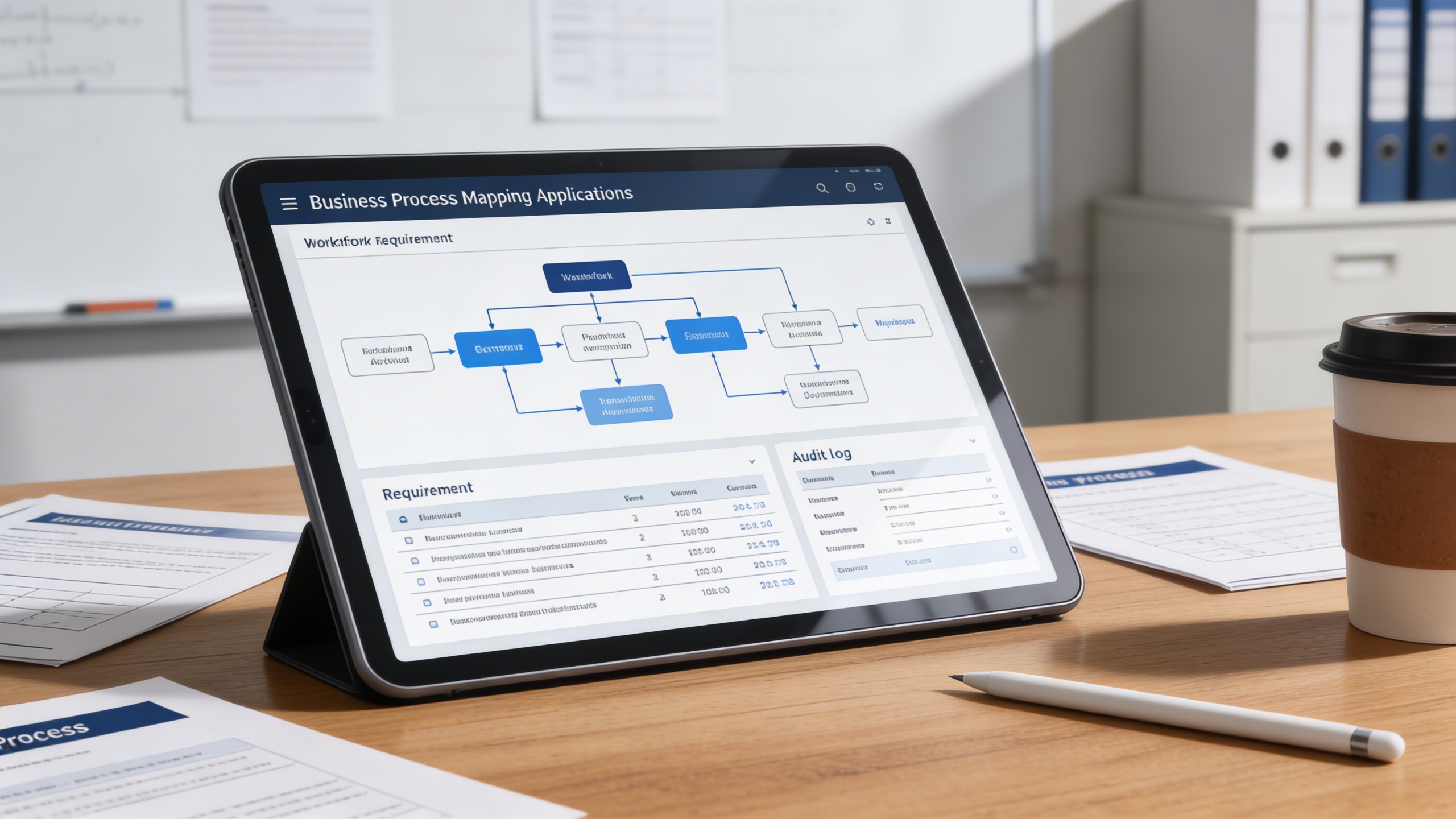
📑 Centralized Process Documentation
🧭 Compliance & Regulatory Tracking
🔄 Version Control & Revision History
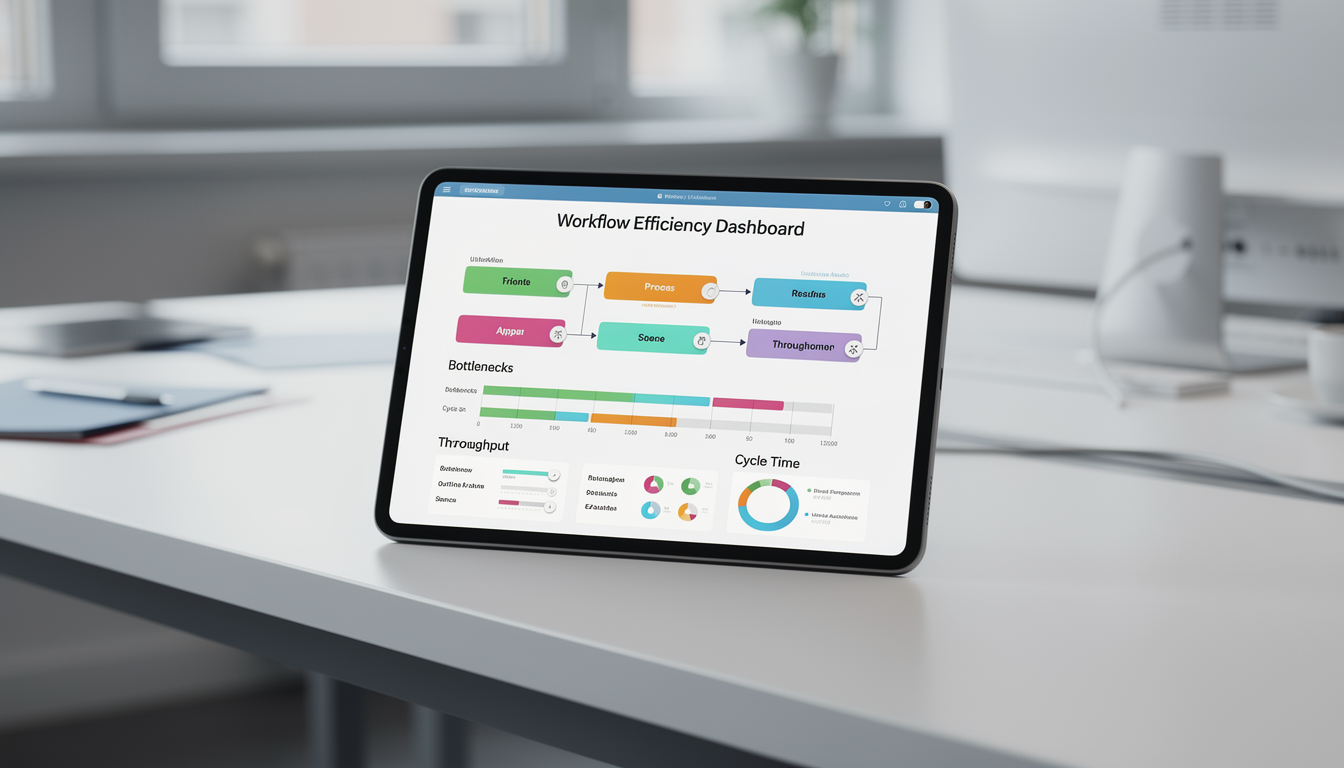
📈 Performance & Efficiency Insights
👥 Role-Based Access & Editing Controls
🗂️ Cross-Functional Workflow Integration
Module Breakdown
Business Process Mapping
Each functional component of the system is modular and scalable for easy customization.
Gain insight into process performance and identify optimization opportunities.
Features Highlights
Visual Workflow Optimization Platform
A visual, collaborative system that maps, analyzes, and continuously improves business processes for efficiency, compliance, and organizational alignment.
🧭 1. Ensuring Compliance
The module embeds regulatory and policy requirements directly into workflow designs. This ensures processes remain audit-ready, consistent, and aligned with compliance standards at all times.
Teams collaborate in real time on shared process diagrams, improving transparency and understanding. This alignment reduces miscommunication and ensures everyone follows the same operational blueprint.
Visual workflows make inefficiencies and bottlenecks easy to identify. Organizations can redesign processes based on data and insights to improve speed, accuracy, and productivity.
Customer-facing workflows are refined for speed, consistency, and quality. This results in smoother service delivery and more predictable customer interactions.
Version control and performance insights support ongoing refinement of processes. Teams can measure improvements, adopt best practices, and evolve workflows as business needs change.
Organizations seeking clarity, compliance, and efficiency by visually documenting, standardizing, and continuously improving workflows across departments and operations.
🏢 Corporate Enterprises
Overview:
Ensure operational efficiency across departments by mapping and optimizing core business workflows.
Key Benefits:
📋 End-to-End Visibility: Understand how processes interact across business units.
⚙️ Process Standardization: Apply consistent workflows enterprise-wide.
📈 Strategic Optimization: Identify areas for efficiency gains and cost reduction.
🏭 Manufacturing Companies
Overview:
Visualize and optimize production workflows to reduce waste, delays, and errors.
Key Benefits:
🏗️ Process Flow Visualization: Map production stages from planning to delivery.
🔧 Quality Compliance Tracking: Integrate ISO and safety standards into processes.
📊 Performance Analytics: Monitor resource usage and process efficiency.
💼 Professional Service Firms
Overview:
Improve client service delivery through structured and transparent process mapping.
Key Benefits:
🗂️ Workflow Documentation: Clarify service delivery steps for all stakeholders.
🤝 Cross-Team Coordination: Align consultants, project managers, and clients.
📈 Process Insight: Measure turnaround time and service performance.
🏥 Healthcare Organizations
Overview:
Ensure compliance, safety, and consistency in patient care and administrative workflows.
Key Benefits:
🏥 Compliance Integration: Embed medical standards and protocols in workflows.
🧾 Audit-Ready Records: Document healthcare procedures for accountability.
👥 Collaborative Updates: Enable cross-departmental input for better patient outcomes.
🏛️ Government & Public Sector Institutions
Overview:
Maintain transparency, accountability, and operational efficiency through mapped public service workflows.
Key Benefits:
📜 Regulatory Mapping: Align public processes with policy frameworks.
🏛️ Citizen Service Improvement: Optimize processes that impact public delivery.
📊 Transparent Tracking: Provide visual documentation for audits and reporting.
Our Customers
TRUSTED BY 100+ HAPPY CUSTOMERS
Our Blog
Latest insights and updates on technology trends and innovations
 Insurance And Legal