Asset Registry
Record essential details such as asset name, category, serial code, price, quantity, and purchase date.


The Assets Management System is purpose-built to centralize and automate the management of organizational assets. It ensures that all equipment, tools, furniture, software, or infrastructure are recorded, monitored, and maintained with full traceability.
Its main purpose is to:
Organizations often struggle with scattered asset records, unclear ownership, untracked depreciation, and inefficient resource allocation across departments. The Assets Management System resolves these challenges by centralizing asset registration, lifecycle monitoring, maintenance tracking, and financial valuation into one structured platform. This enables organizations to reduce losses, improve accountability, extend asset lifespan, and maximize return on every asset investment.
Each functional component of the system is modular and scalable for easy customization.
Record essential details such as asset name, category, serial code, price, quantity, and purchase date.
Manage the allocation and transfer of assets between departments or individuals.

Centralize asset creation, lifecycle tracking, collaboration, optimization, and reporting to safeguard investments and maximize organizational resource value.
Assets are registered through structured forms that ensure consistency, accuracy, and completeness from day one. Supporting documents, depreciation values, and searchable categories create a reliable single source of truth.
Key Capabilities:
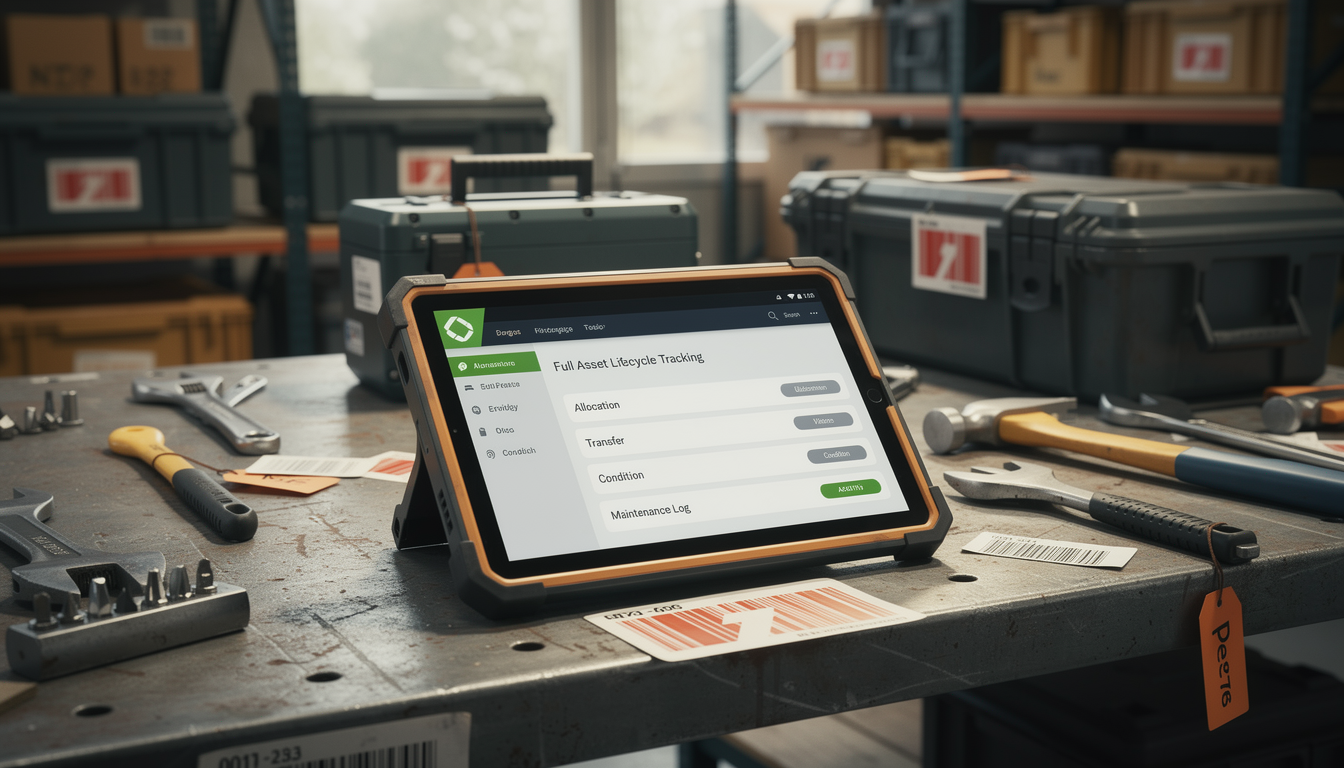
Every asset movement, condition update, and maintenance event is tracked throughout its lifecycle. This visibility supports audits, improves planning, and prevents unnoticed asset degradation or loss.
Key Capabilities:
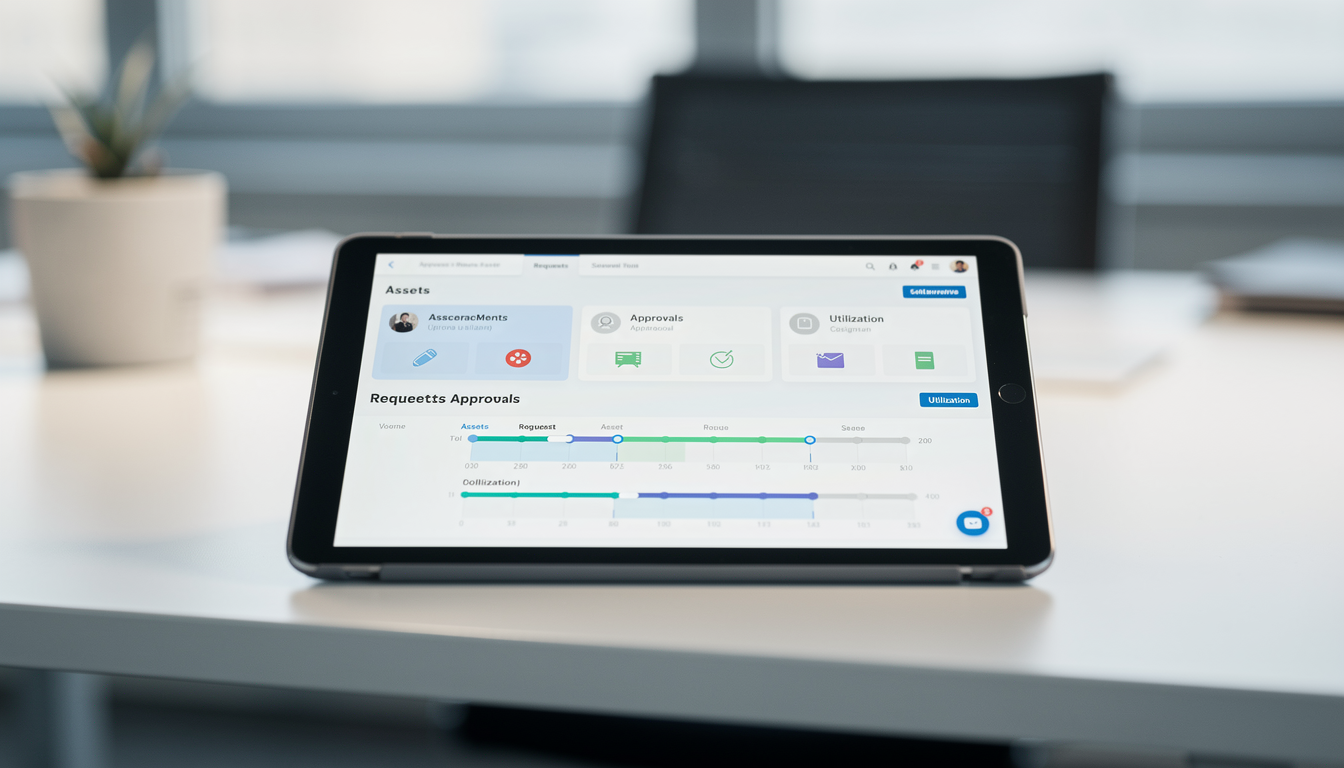
Role-based access ensures that assets are assigned, approved, and monitored with clear ownership. Teams gain shared visibility while management retains governance and accountability.
Key Capabilities:
Usage insights reveal underutilized assets and support smarter redistribution decisions. Procurement planning becomes data-driven, reducing unnecessary purchases and improving ROI.
Key Capabilities:
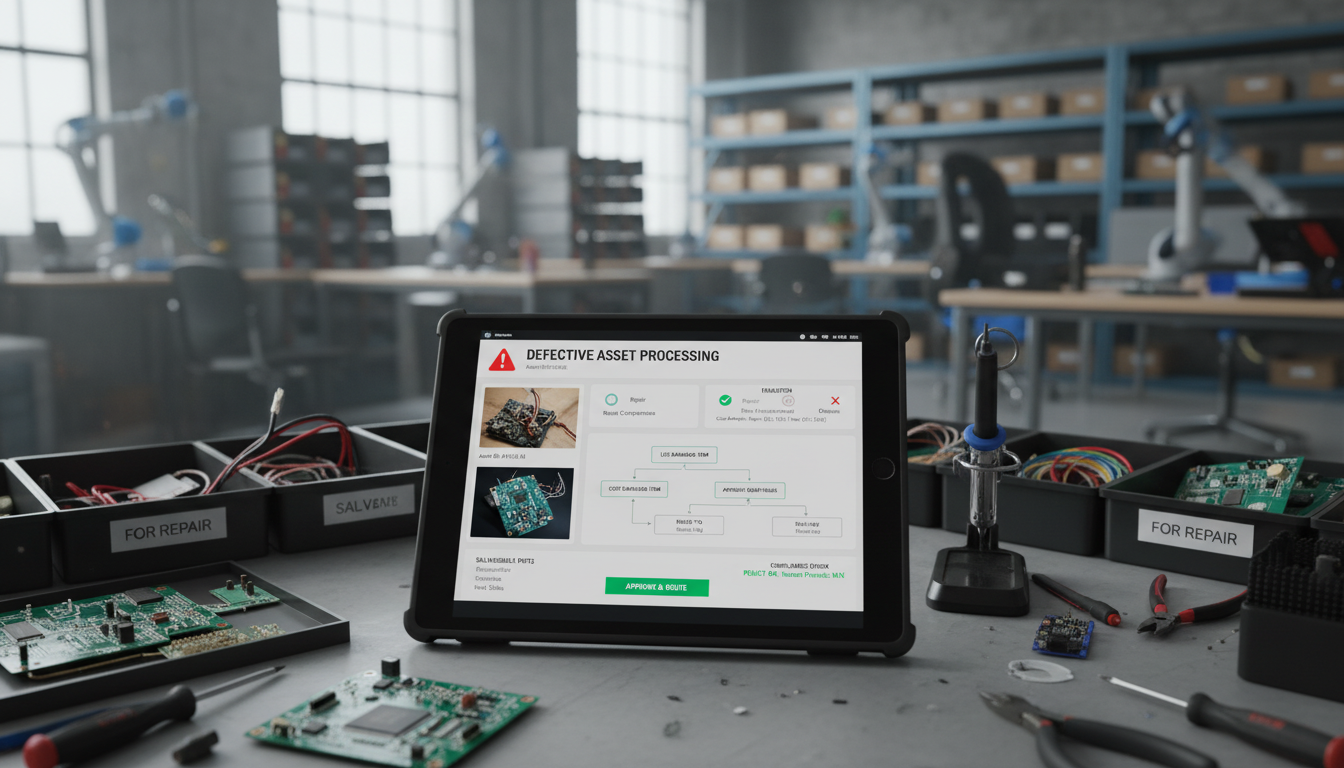
Defective assets are logged, evaluated, and routed for repair, reuse, or compliant disposal. This minimizes waste while recovering value from salvageable components.
Key Capabilities:
Any organization managing physical or digital assets requiring lifecycle visibility, accountability, maintenance control, and data-driven resource optimization.