Workflow Automation
Define custom triggers (e.g., invoice creation) to send multi-channel alerts via Email, Slack, or Telegram.


The Customization Module is built to bridge the gap between fixed ERP structures and the evolving operational requirements of modern businesses. It ensures that organizations can optimize their workflows and data management strategies with precision and agility.
Its main purpose is to:
Organizations operating on rigid ERP systems face workflow bottlenecks, limited data structures, inefficient manual processes, and poor adaptability to department-specific operational needs. These limitations create operational silos, increase administrative overhead, slow decision-making, and introduce avoidable human errors across finance, HR, operations, and customer management functions. The Customization Module addresses these challenges by enabling automation-driven workflows, flexible data modeling, personalized system navigation, digitized information capture, and centralized professional documentation within a unified ERP environment.
Each functional component of the system is modular and scalable for easy customization.
Define custom triggers (e.g., invoice creation) to send multi-channel alerts via Email, Slack, or Telegram.
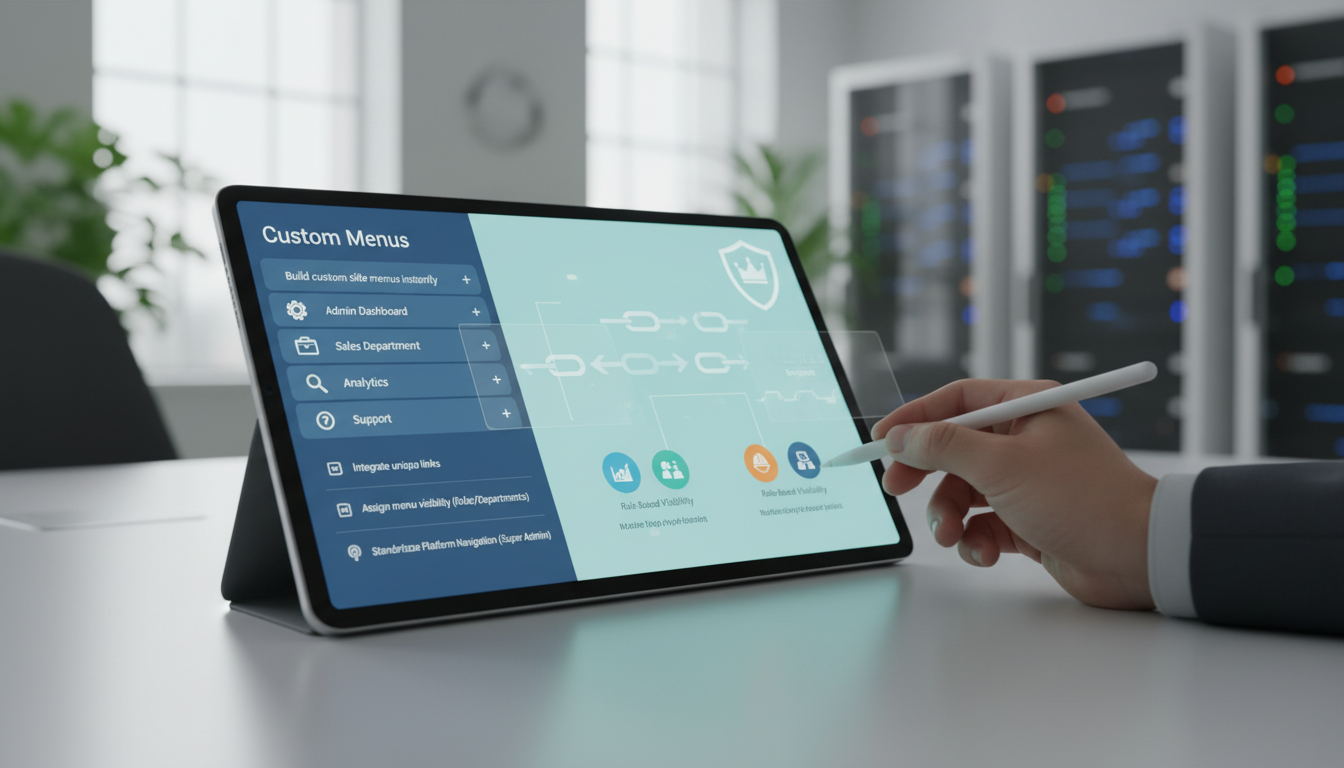
Create hierarchical navigation menus tailored to specific user roles or departments.
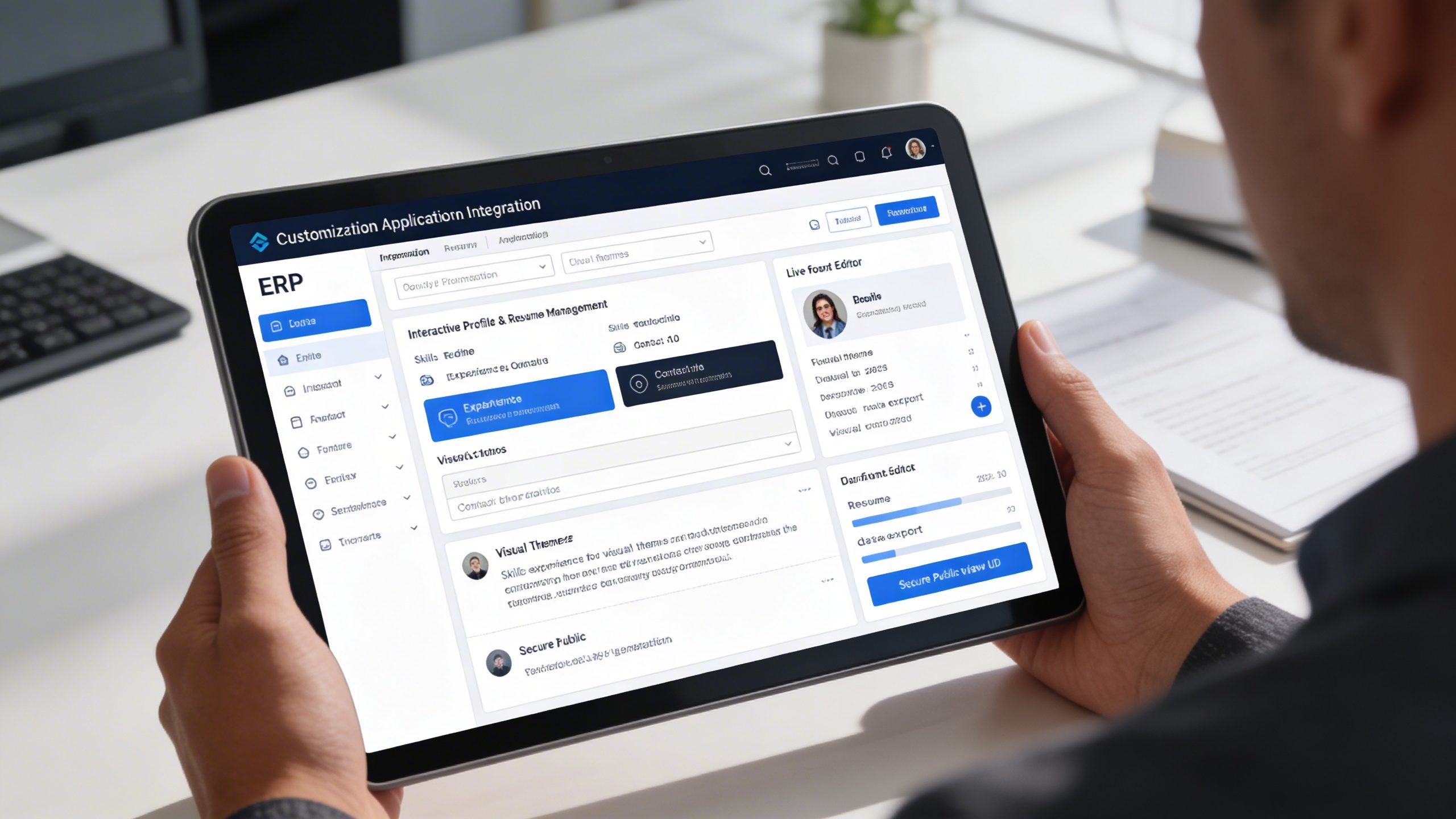
A frontend interactive editor for crafting polished professional profiles with shareable public links.
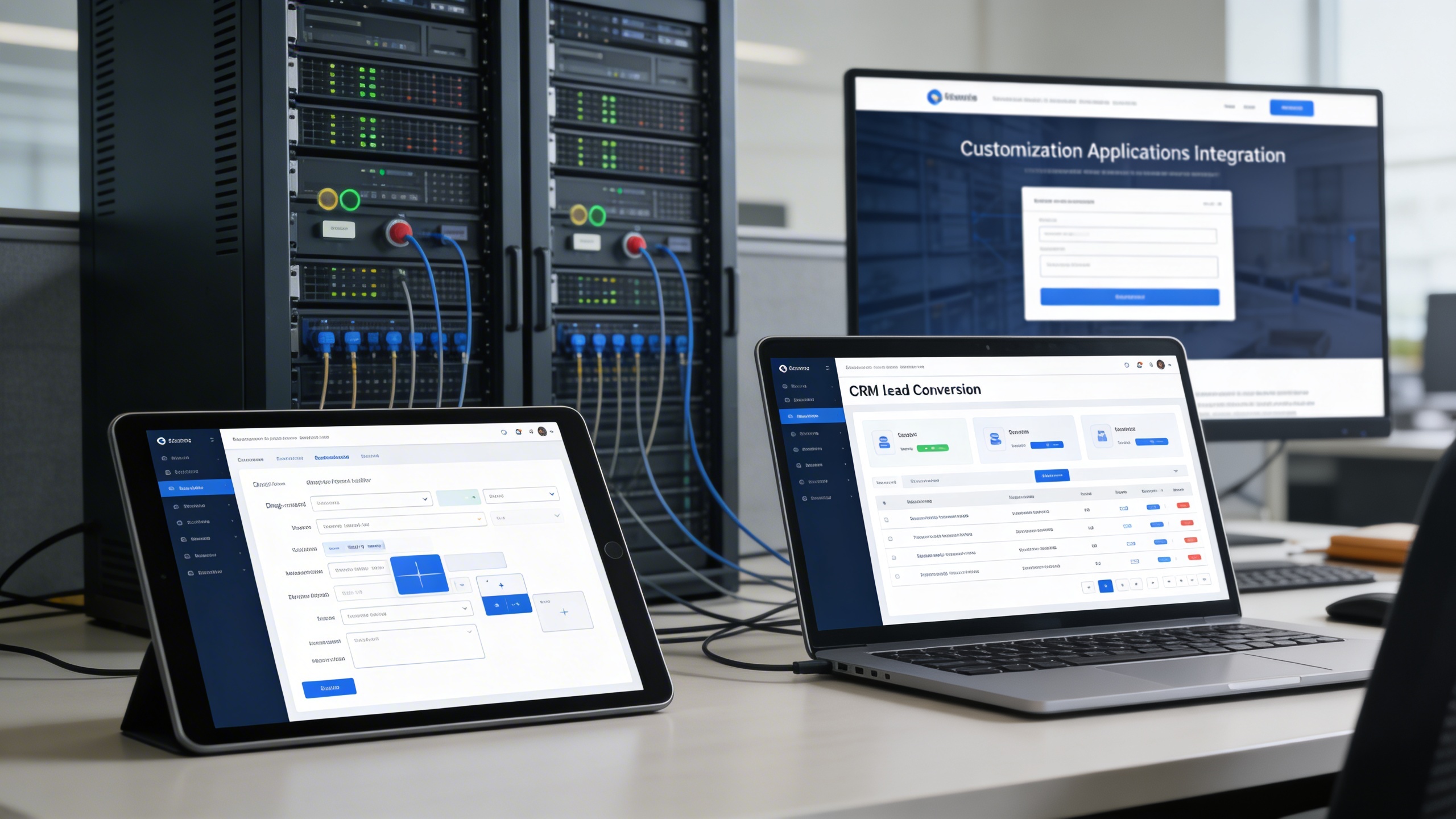
A workspace-level management tool for standardizing data collection across CRM, Projects, and Sales.
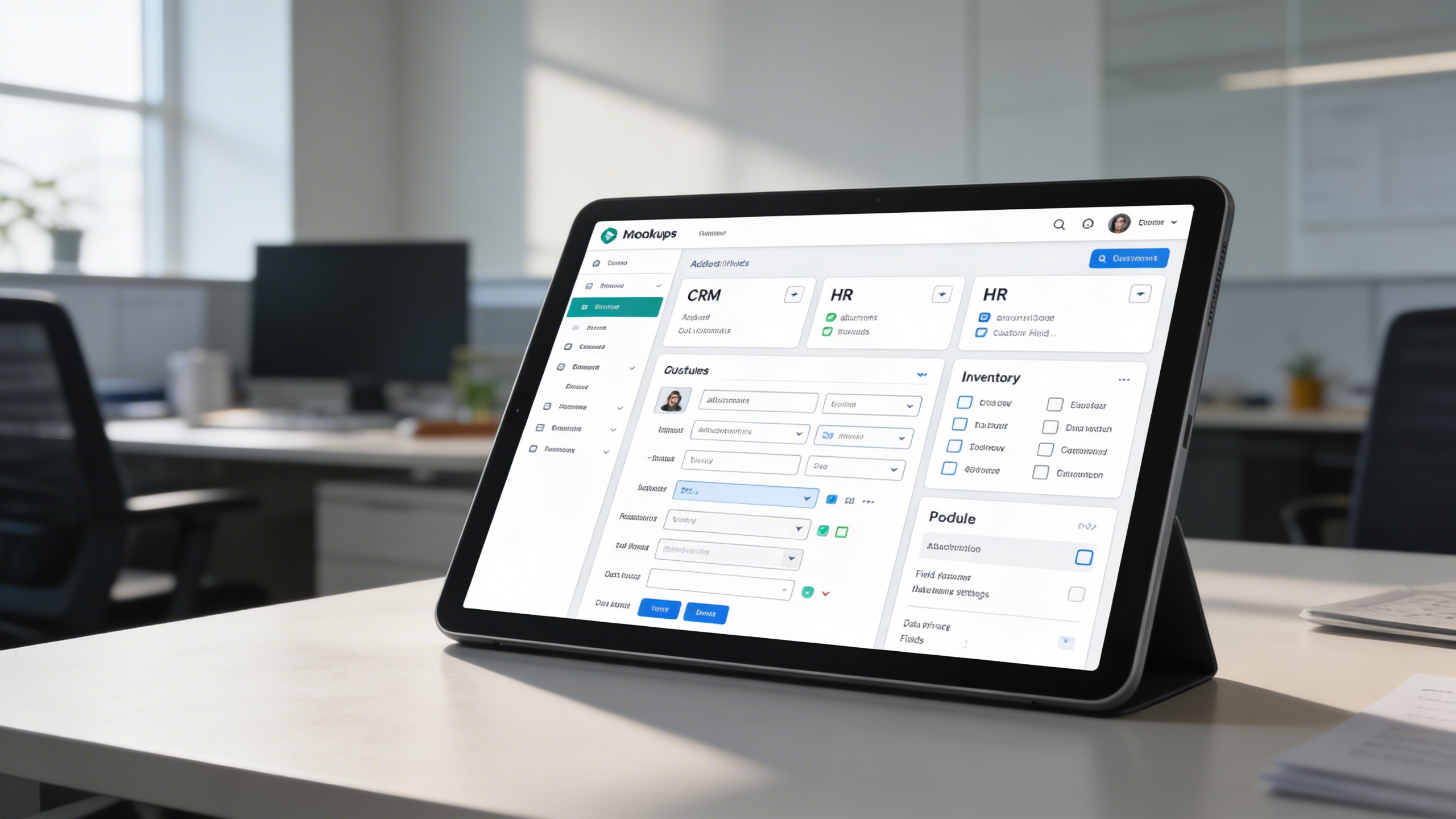
An extension tool to add text, date, attachment, or selection fields to existing ERP forms.
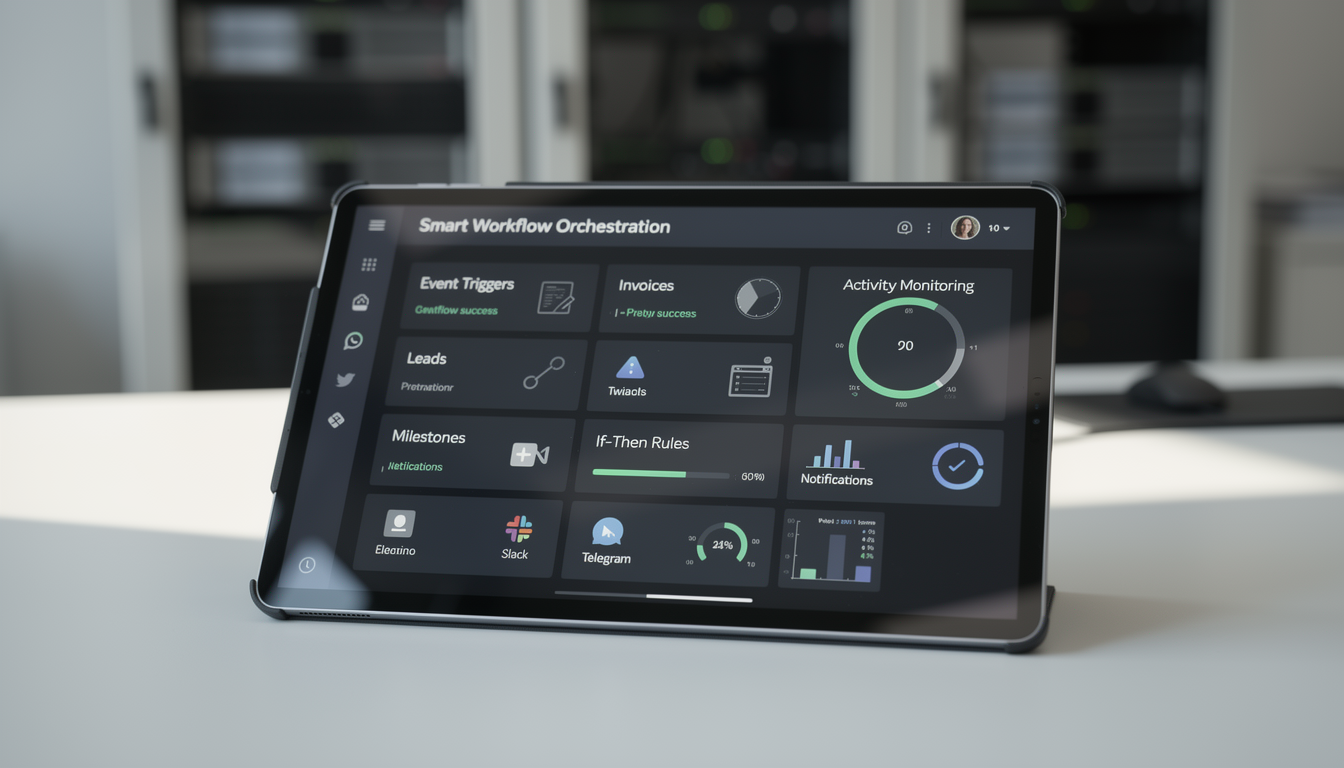
Automates workflows, personalizes navigation, extends data structures, digitizes requests, and centralizes professional profile management across ERP operations.
This feature automates operational processes using event-driven triggers and conditional logic to eliminate repetitive manual tasks. It ensures timely execution, real-time notifications, and full traceability across invoices, leads, and project milestones.
Key Capabilities:
Users gain department-specific access to relevant tools through fully customizable ERP side menus. This significantly reduces navigation friction while maintaining centralized administrative control and role-based visibility.
Key Capabilities:
Organizations can expand ERP data models with unlimited custom fields to support specialized business requirements. This guarantees accurate data capture while enforcing strict access control and interface placement governance.
Key Capabilities:
Information collection is digitized through professional online forms integrated directly with internal workflows and CRM systems. Submissions are processed instantly, tracked centrally, and converted into actionable business records.
Key Capabilities:
Professional documentation is centralized into a structured, editable, and shareable system within the ERP. This streamlines recruitment, performance evaluation, compliance reporting, and external stakeholder communication.
Key Capabilities:
Organizations seeking clarity, compliance, and efficiency by visually documenting, standardizing, and continuously improving workflows across departments and operations.