One view of system health
Logs, metrics and traces in one place, so finding the cause of a slowdown starts from data, not guesswork.
We make your production systems visible and predictable: the right logs, metrics and alerts, clear runbooks for when things break, and capacity planned before the next peak.
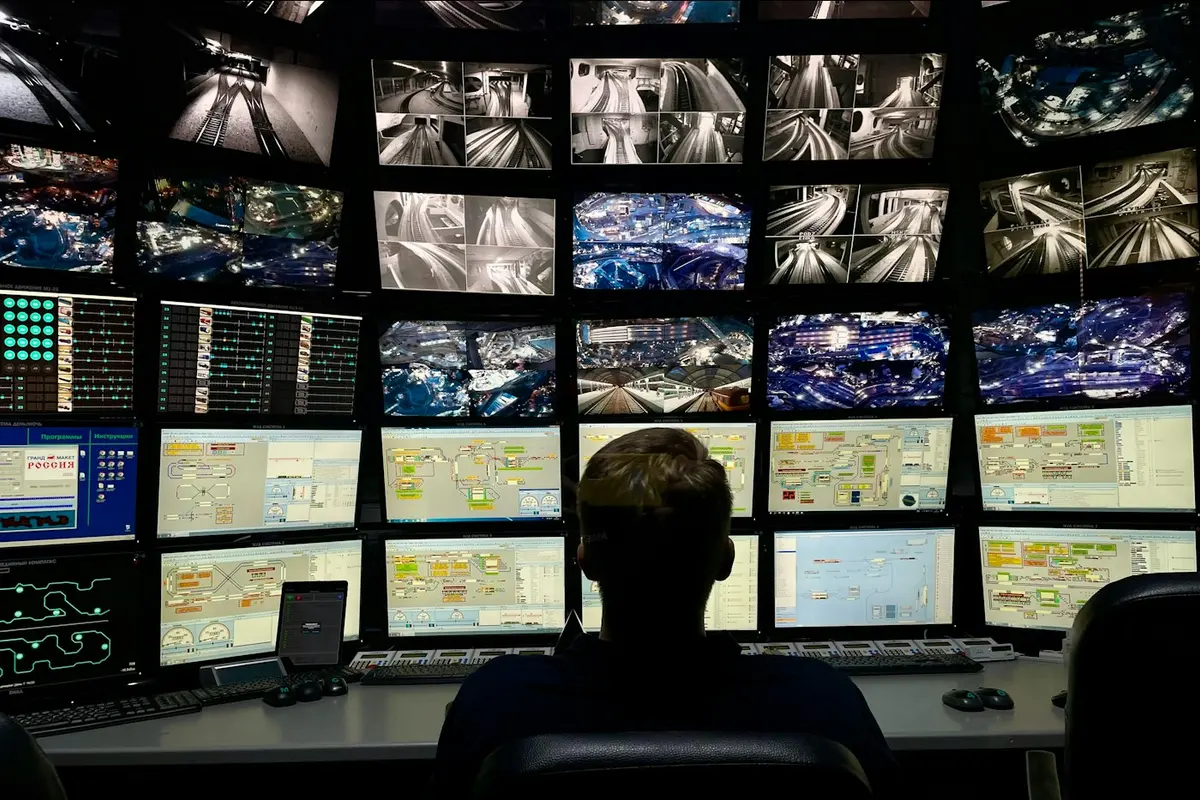
Most outages show up in the data well before users complain. Nobody was looking, or the alert went to a chat group everyone muted.
What we change: Monitoring and alerts on what users actually experience, sent to the person on call.
What we change: Fewer, better alerts, each tied to a runbook and an owner.
What we change: Written runbooks, an on-call rota and a short review after every major incident.
What we change: Load tests and capacity plans based on measured traffic, done before the busy season.
Logs, metrics and traces in one place, so finding the cause of a slowdown starts from data, not guesswork.
Alerts on errors, latency and saturation reach the right person before users notice.
Runbooks, clear roles and a review after each major incident, so the same failure does not repeat.
Service-level objectives set with your business, so engineers know when to ship and when to stabilize.
Load tests and growth forecasts before a launch, a campaign or a new market.
Dashboards, alert rules and runbooks kept in your repositories and documented for your engineers.
Monitoring is not an add-on for us. Several systems we have built exist to watch things in real time.
Our work includes a cold-chain platform that watches 627 sensors and alerts before a temperature excursion, and a fleet platform that flags speeding, harsh braking and collisions. We bring the same alerting discipline to your stack.
We work with CI/CD, sprint-based delivery and daily stand-ups. Small, reversible releases are the cheapest reliability work there is, so that is where we start.
We do not publish uptime figures we cannot back up. Reliability targets and response times are agreed per contract, measured on dashboards you can see and reviewed with you.
Six stages, each ending with something your team can see and use.
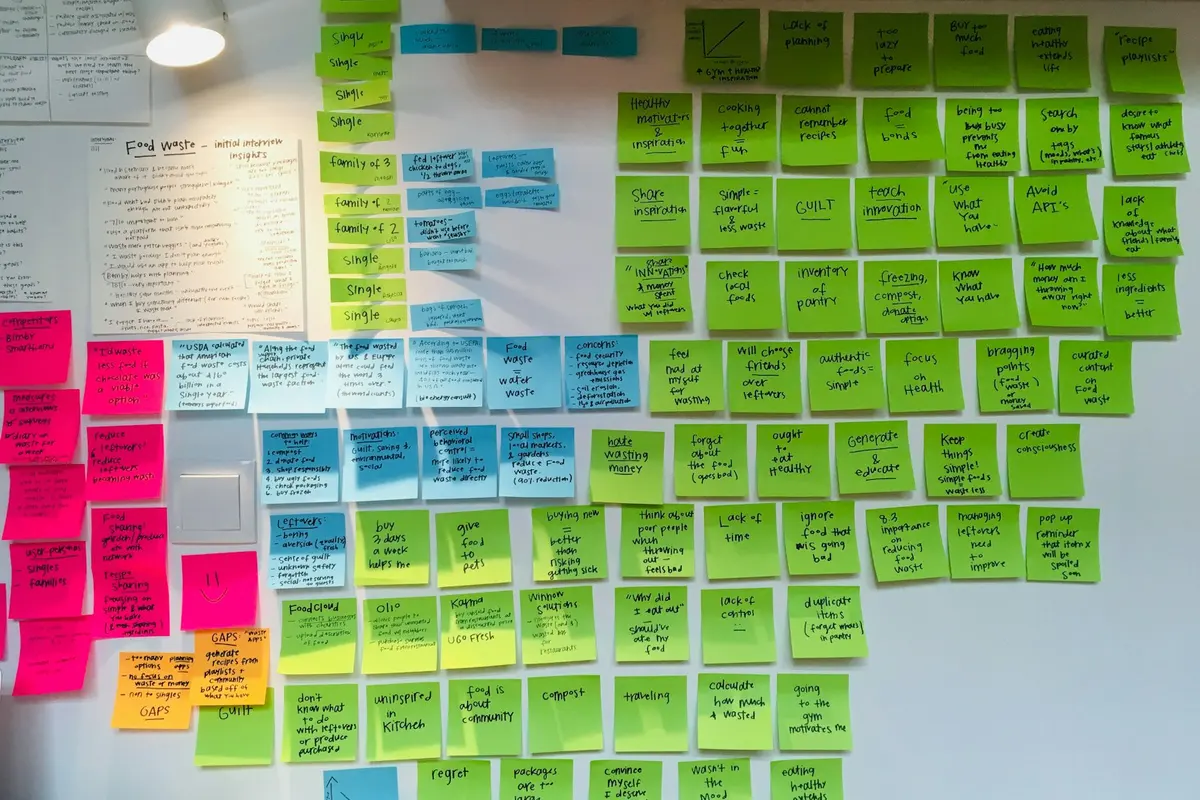
We map your services, dependencies, hosting and past incidents, and check what is monitored today.
You receiveReliability review and risk listWith your business owners we agree which user journeys matter most and how reliable each one needs to be.
You receiveService-level objectives and prioritiesLogs, metrics and tracing added to the services that matter, feeding one set of dashboards.
You receiveDashboards and centralized logsAlert rules tied to the targets, an on-call rota and a runbook for each alert.
You receiveAlert rules, on-call plan and runbooksWe test how the system behaves at expected and peak traffic and find the first bottleneck.
You receiveLoad test results and capacity planA blameless review and fixes after each major incident, and a monthly look at targets and trends.
You receiveIncident reviews and a reliability backlogEvery build includes: Logs, metrics and tracing, On-call and incident runbooks, Capacity and load planning.

These are real-time monitoring and alerting systems we built, or related builds that show how we handle live data and alerts. Individual names are withheld for privacy.
Data Force ProCold-chain logistics company
Operators had to track temperature, humidity and location around the clock, but their tools had no real-time view, alerting or central reporting, which led to product loss and compliance risk.
They understood the precision required for cold-chain operations. Sophistec Dev House helped us create a platform that brings shipment, temperature, and operational visibility together so our team can act before issues become delays. The result is a more dependable experience for everyone who relies on our deliveries.
MiTACTelematics and fleet-solutions provider
Thousands of fleet devices needed one cloud system for real-time video uploads, event alerts and telematics data, with secure storage and dashboards fleet managers could use.
HoltrackRFID solutions integrator
RFID operations needed software that captures reader data, validates inventory movements and updates a central dashboard in real time.
Fusion Next IncConnected-mobility technology company
Sophistec Dev House helped us turn a complex set of ideas into connected products. For Fusion Next, they built vehicle-monitoring and IoT capabilities that give our team clearer real-time visibility.
Want to hear how we handle live systems? Ask and we will arrange a reference call with a client who runs one of these platforms.
Request A Reference Call110 organizations on our public client list, from manufacturers and clinics to universities and government offices.
From$1,000
A defined scope, timeline and price agreed after discovery. Best for a new portal, workflow or replacement system.
$25 to $49per hour
Developers, designers and testers working as an extension of your team. Best when the roadmap keeps moving.
On Requestquoted per system
Monitoring, maintenance, fixes and a planned backlog of improvements so the system keeps up with the business.
50+ professionals · Offices in Indonesia, Taiwan, Malaysia, Canada · Founded 2022
A good first step is a reliability review of your most important system, priced as a fixed project. Projects start from $1,000. Ongoing monitoring and on-call support is quoted per contract, or run by a dedicated team at $25 to $49 per hour.
Response times, coverage hours and reliability targets are agreed per contract, based on what your business needs and what it is worth paying for. We will not quote a number before we have seen your systems.
We need read access to logs and metrics, and change access only where we run deployments or incidents for you. We recommend named accounts in your own cloud, so every action is logged and you can remove access at any time.
No. We prefer tools your team can run, and we keep dashboards, alert rules and runbooks in your repositories with the rest of your code.
Yes. We start with a review of the code, hosting and current monitoring, then add visibility to the parts that carry the most risk first.
Book a free consultation. Tell us about your last few incidents and we will tell you honestly where the biggest reliability gap is.
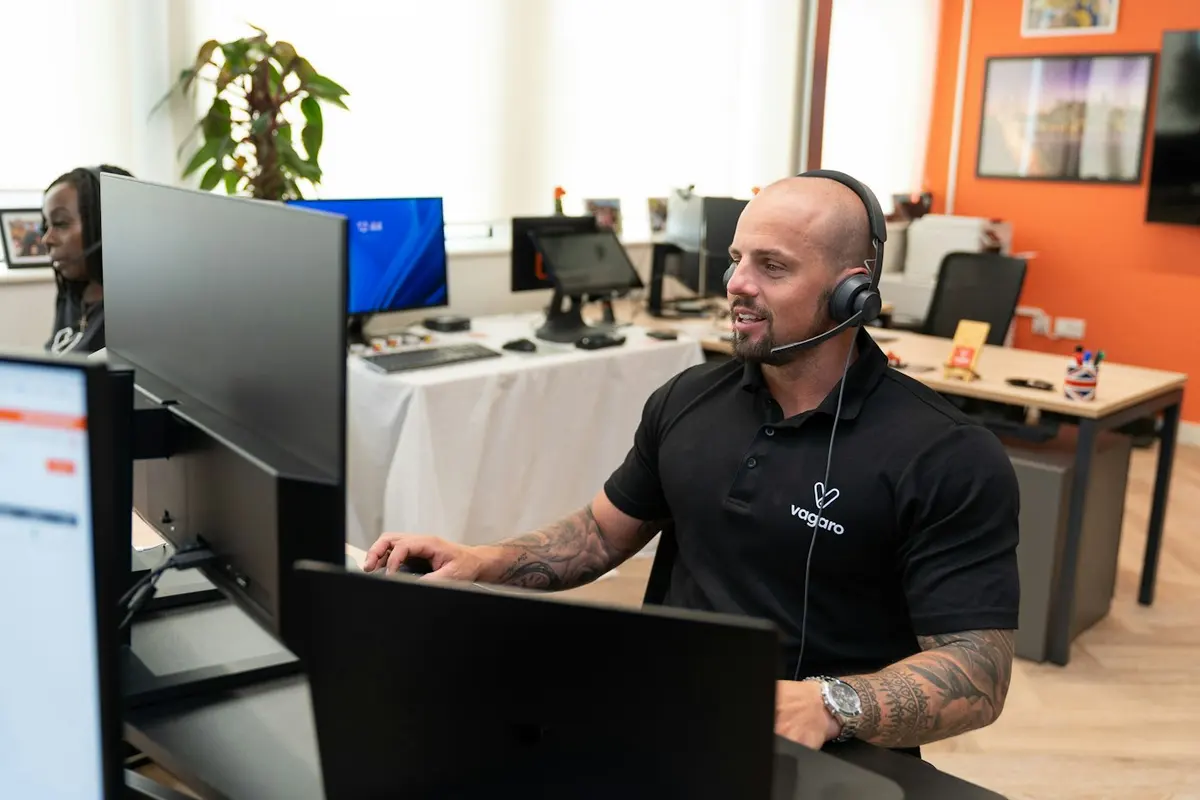 Managed IT & Service DeskProvide accountable, SLA-led support for employees, customers, and business-critical services.
 Cybersecurity & GovernanceEmbed security, privacy, risk management, and compliance into technology delivery.
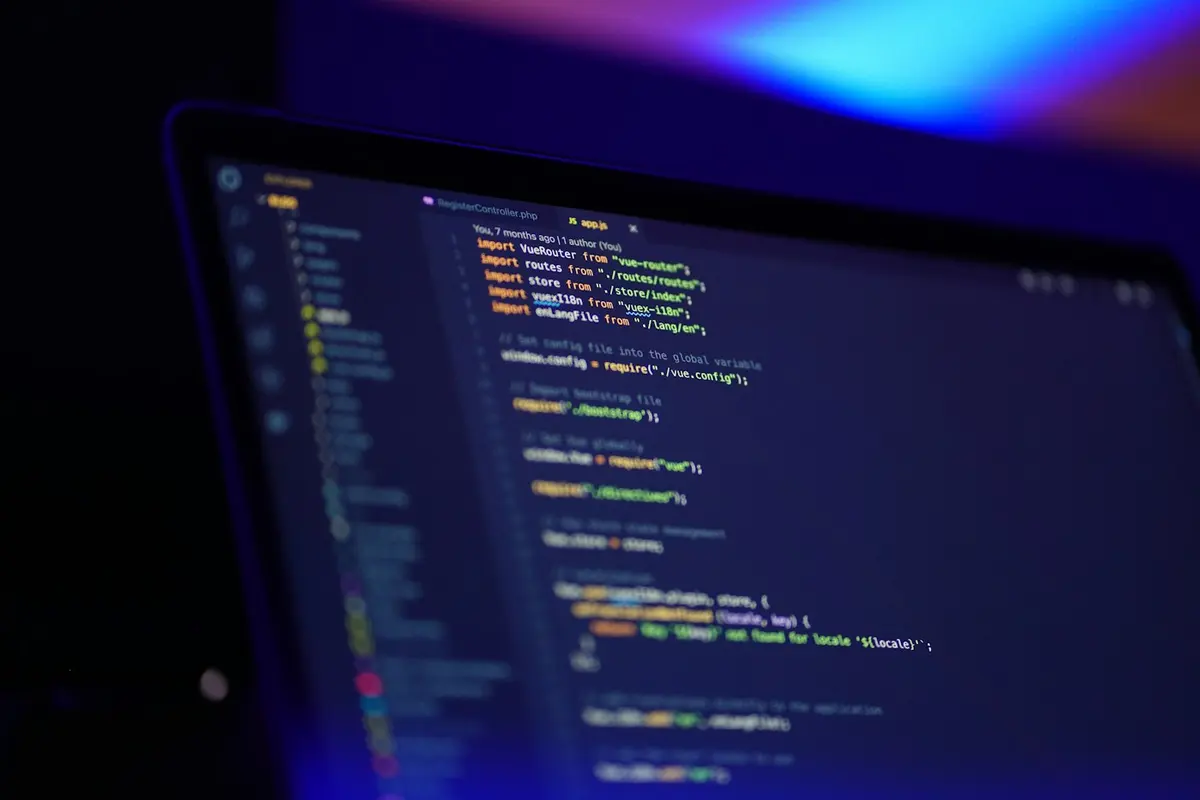 Quality Engineering & TestingBuild confidence with automated quality practices across performance, accessibility, and releases.
 Technology Advisory & Delivery AssuranceAlign architecture, delivery governance, and measurable outcomes from strategy through execution.
A free consultation with our team. You leave with a clear view of your blind spots and the first fixes worth making, whether or not you work with us.