Live data where people ask
Assistants answer from your systems of record, not from an export someone made last week.
We build MCP servers that let AI assistants read your internal systems and take approved actions, with each user seeing only what they should and every request on record.

AI assistants are only as useful as what they can reach. Most cannot reach your systems safely, so people copy data in by hand.
What we change: An MCP server that lets approved assistants read live data from the source, under your rules.
What we change: One standard server per system, usable by any MCP-compatible client your teams choose.
What we change: Per-user permissions, read-only by default, and write actions only where you approve them.
What we change: Every tool call logged with the user, the request and the result, ready for review.
Assistants answer from your systems of record, not from an export someone made last week.
Assistants see only what the signed-in user may see, and write actions stay off unless approved.
Every request and response through the server is logged and searchable.
One server per system works with any MCP-compatible client, so a new AI tool does not mean a new integration.
Staff ask a question and get the answer from the live system, without pulling a report first.
Source code, deployment and documentation handed over, hosted in your own environment if you prefer.
An MCP server is integration work with an AI-ready interface. That is work we have done for years.
Our client work connects to marketplaces, POS and table-management systems, payment gateways, Google Business and Indonesia’s national health platform. Our automation work reaches into ERP, CRM and legacy systems.
We have built systems that hold patient records, student data and encrypted video. AI access gets the same treatment: least privilege, logging and testing, including penetration testing, before go-live.
Begin with one server, read-only, for a pilot group, from $1,000 with a written estimate before anything is signed. Widen access once you have seen the logs.
Six stages. Access widens only after you have seen how it is used.
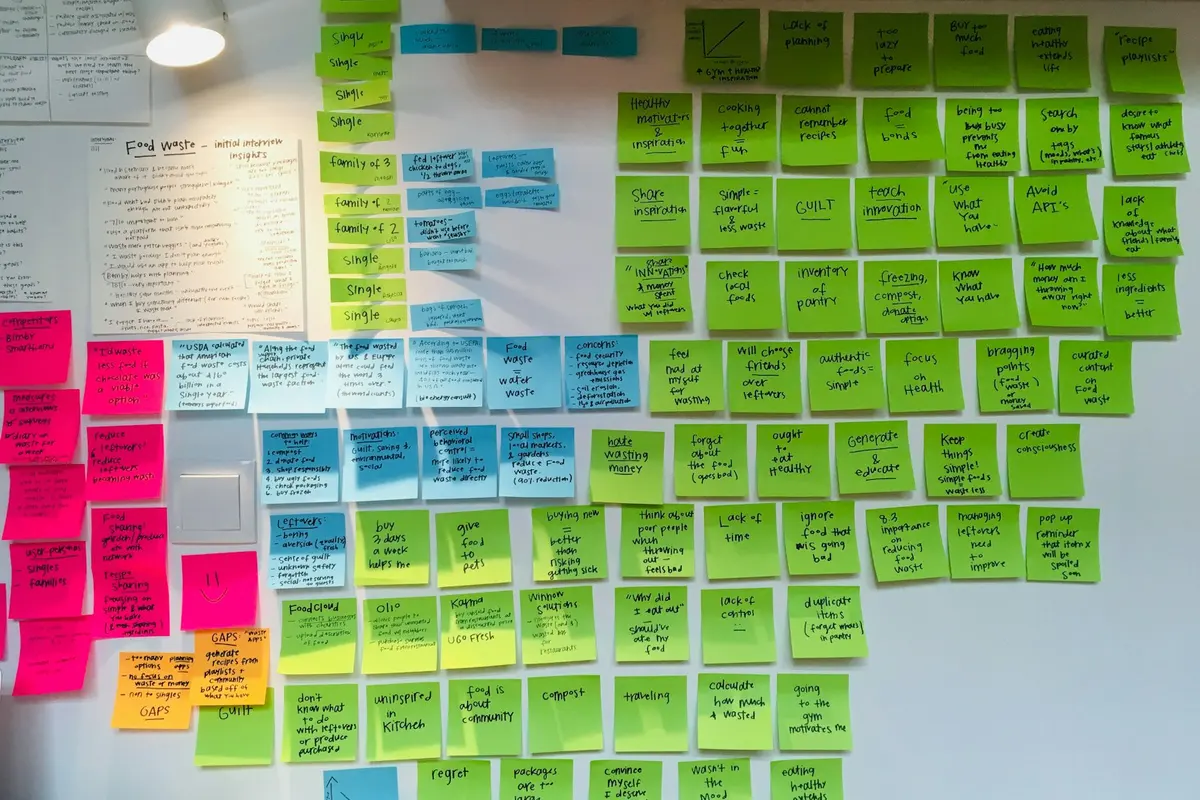
We list the systems and data your teams want AI to reach, who should see what and which actions are safe.
You receiveAccess map, risk rules and a written estimateWe define each tool the server exposes: its name, inputs, limits and whether it reads or writes.
You receiveApproved tool and permission specificationWe build the server against your APIs or database, with sign-in tied to the user roles you already have.
You receiveWorking MCP server on stagingWe test permissions, logging, prompt injection cases and load, and fix what we find before go-live.
You receiveTest report and fixesWe connect the AI clients your teams use, train a pilot group and widen access step by step.
You receiveLive server, connected clients, handover documentsMonitoring, log reviews and new tools added as teams ask for them.
You receiveOngoing support and a tool backlogEvery build includes: MCP servers for internal tools, Scoped, permissioned access, Works with leading AI clients.

These are related builds, not MCP projects: they show how we connect many systems and handle sensitive data, the same skills an MCP server depends on. Individual names are withheld for privacy.
Lemon ITRestaurant technology company
Restaurant groups could not see accurate availability across branches, Google, POS and table-management systems. Mismatched hours and missing data caused booking errors.
Lotus Family MedicalMulti-department medical clinic
Clinic visits, pharmacy and radiology ran on separate, manually updated systems, which created inconsistent records and made the national SATUSEHAT integration hard to meet.
NUEL FurnitureFurniture retailer and distributor
Orders came from Shopee, Tokopedia, TikTok Shop and offline channels with no single system for orders, delivery staff or stock, and finance, HR and accounting were manual.
Top AdmitOnline college admissions service
Essay orders, editor assignments, revisions and extra services like review and translation were run without one system, which slowed turnaround.
Tell us which systems you want AI to reach and we will arrange a reference call with a client whose integrations are closest.
Request A Reference Call110 organizations on our public client list, from manufacturers and clinics to universities and government offices.
From$1,000
A defined scope, timeline and price agreed after discovery. Best for a new portal, workflow or replacement system.
$25 to $49per hour
Developers, designers and testers working as an extension of your team. Best when the roadmap keeps moving.
On Requestquoted per system
Monitoring, maintenance, fixes and a planned backlog of improvements so the system keeps up with the business.
50+ professionals · Offices in Indonesia, Taiwan, Malaysia, Canada · Founded 2022
Model Context Protocol is an open standard for connecting AI assistants to tools and data. Instead of a custom connector for every AI product, you build one MCP server per system and any compatible client can use it, under the permissions you set.
Only with the right limits, which is what we build. Servers are read-only by default, each user sees only what they can already see, write actions need approval and every call is logged. We test for prompt injection and permission leaks before launch.
An assistant can still misread what it gets, so the server returns clear, structured data and the source of each record. For actions, the user confirms before anything changes, and the logs show exactly what the assistant asked for.
One server for one system is a sensible first scope. Projects start from $1,000, with a written estimate and timeline after discovery. For ongoing work a dedicated team is $25 to $49 per hour.
The server code, configuration and documentation are handed over to you, and it can run in your own cloud or on your own servers.
Book a free consultation. Tell us which system your teams most want AI to reach and we will tell you honestly whether MCP is the right approach or a simpler integration would do.
 Generative AI & LLM SolutionsDesign secure, measurable LLM applications grounded in your enterprise data and controls.
 AI Agents & Agentic WorkflowsDeploy governed AI agents that orchestrate work, tools, and approvals across business processes.
 Intelligent Process AutomationCombine workflow orchestration, RPA, and AI to remove friction from high-volume operations.
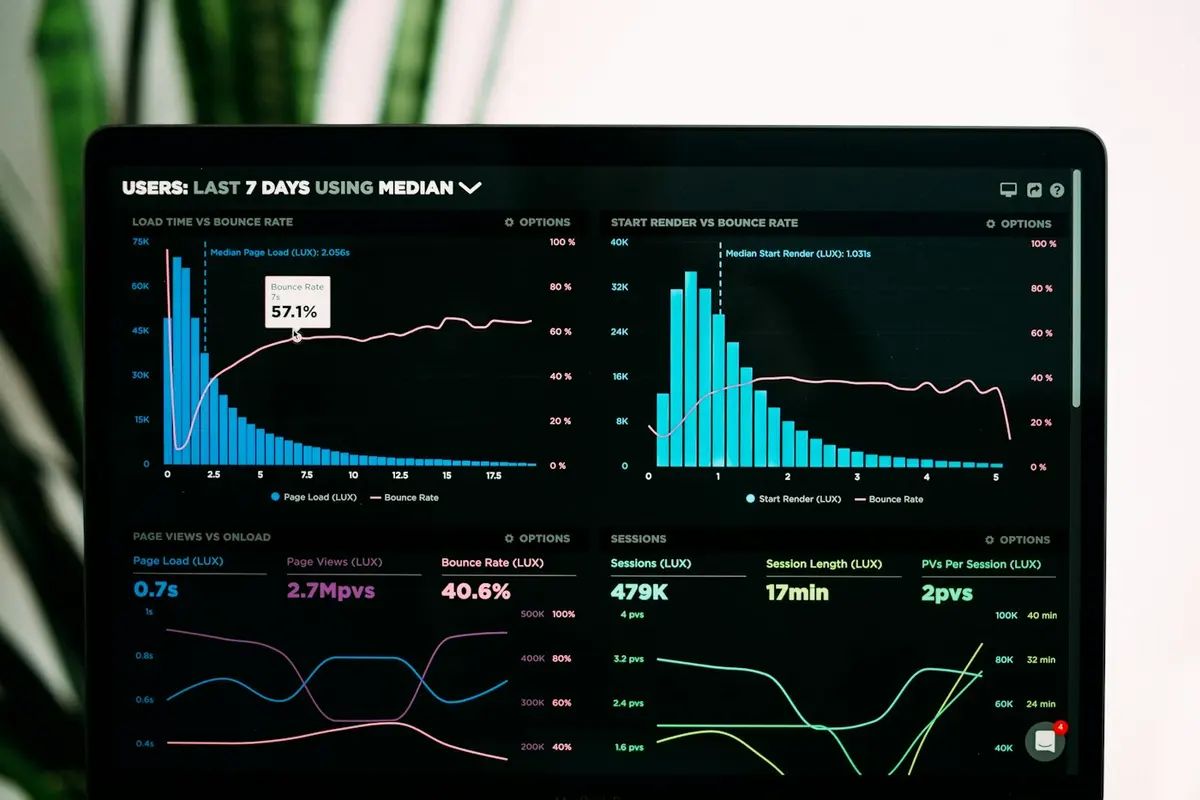 Data, Analytics & Decision IntelligenceTurn governed data into actionable insight, forecasting, and executive decision support.
A free consultation with our team. You leave with a clear view of the access model, the risks to plan for and the likely scope, whether or not you work with us.