Systems that share one record
Orders, stock, patients or bookings updated once and visible everywhere they are needed.
We connect the systems you already rely on and replace the ones holding you back, one piece at a time, while the business keeps running on the old one.
Rewriting everything at once is the riskiest option. We connect first, then replace piece by piece, so each step pays for itself.
What we change: Integrations that move data automatically, with logs and alerts when something fails.
What we change: A legacy assessment, then a step-by-step rebuild where new modules take over one function at a time.
What we change: An integration layer with documented APIs, so each new connection reuses the same building blocks.
What we change: One integrated record across departments, synced with the external platforms you must report to.
Orders, stock, patients or bookings updated once and visible everywhere they are needed.
Data flows between systems automatically, so staff stop copying between screens.
Each replacement step is small, tested and reversible, so the business never bets on one big launch.
Logs, alerts and dashboards show what moved, what failed and why.
Documented APIs make the next marketplace, bank or platform a smaller job, not a new project.
Modern, documented and tested code in place of the parts only one person understood.
Three reasons grounded in work we have already delivered.
Many legacy problems are really integration problems. Our assessment tells you which systems to keep and connect, which to wrap with an API and which to replace, in that order.
Our case studies include SATUSEHAT integration for a medical clinic, Shopee, Tokopedia and TikTok Shop order sync for a retailer, and POS, Google Business, Facebook and LINE integrations for a restaurant technology company.
Our team works across Java, .NET, PHP and C++, and middleware such as Tomcat, JBoss, WebSphere and WebLogic, led by managers with 7+ years of multi-team delivery.
Six stages, each ending with something you can see and approve before we move on.
We review the code, data, interfaces and the people who depend on each system, and rank the risks by business impact.
You receiveLegacy assessment and a written estimateWe decide what to keep, connect, wrap or replace, and in what order, so every step delivers value on its own.
You receiveModernization roadmapAn integration layer with APIs, queues and logging connects the old and new systems.
You receiveWorking integrations with monitoringNew modules take over one function at a time while the legacy system keeps running behind them.
You receiveEach new module live on real trafficSystem integration and user acceptance testing on every step, with data compared between old and new.
You receiveSigned-off SIT and UAT resultsOnce nothing depends on an old component, we archive its data and switch it off.
You receiveDecommissioned system and archived dataEvery build includes: Legacy assessment, Strangler pattern rebuilds, Integration middleware.

Real projects from our records, each replacing manual handoffs between systems. Individual names are withheld for privacy.
Lotus Family MedicalMulti-department medical clinic
Clinic visits, pharmacy and radiology ran on separate, manually updated systems, which created inconsistent records and made the national SATUSEHAT integration hard to meet.
NUEL FurnitureFurniture retailer and distributor
Orders came from Shopee, Tokopedia, TikTok Shop and offline channels with no single system for orders, delivery staff or stock, and finance, HR and accounting were manual.
Lemon ITRestaurant technology company
Restaurant groups could not see accurate availability across branches, Google, POS and table-management systems. Mismatched hours and missing data caused booking errors.
HoltrackRFID solutions integrator
RFID operations needed software that captures reader data, validates inventory movements and updates a central dashboard in real time.
Want to hear it first-hand? Tell us which systems you need to connect and we will arrange a reference call with a client who faced the same problem.
Request A Reference Call110 organizations on our public client list, from manufacturers and clinics to universities and government offices.
From$1,000
A defined scope, timeline and price agreed after discovery. Best for a new portal, workflow or replacement system.
$25 to $49per hour
Developers, designers and testers working as an extension of your team. Best when the roadmap keeps moving.
On Requestquoted per system
Monitoring, maintenance, fixes and a planned backlog of improvements so the system keeps up with the business.
50+ professionals · Offices in Indonesia, Taiwan, Malaysia, Canada · Founded 2022
It depends on what the assessment finds, which is why it comes first. Projects start from $1,000, you get a written estimate after discovery, and longer programs can run on a dedicated team at $25 to $49 per hour.
That is what the step-by-step approach avoids. The old system keeps running while new modules take over one function at a time, and each switch has a rollback route.
We map the old structure, clean what needs cleaning and run trial migrations, comparing record counts and totals with you before each real switch.
No. We often keep commercial platforms such as ERP or POS and integrate around them. We only recommend replacing something when the cost of keeping it is clearly higher.
We hand over the source code, integration documentation and runbooks, and we recommend that repositories and hosting accounts sit in your company’s name.
Book a free consultation. Tell us which system worries you most and we will suggest whether to start with an assessment, one integration or one replacement module.
 Customer Engagement & CRM PlatformsUnify sales, service, and customer data across CRM ecosystems and digital touchpoints.
 ERP, SAP & Core Business SystemsModernize finance, operations, and core processes without compromising reliability or control.
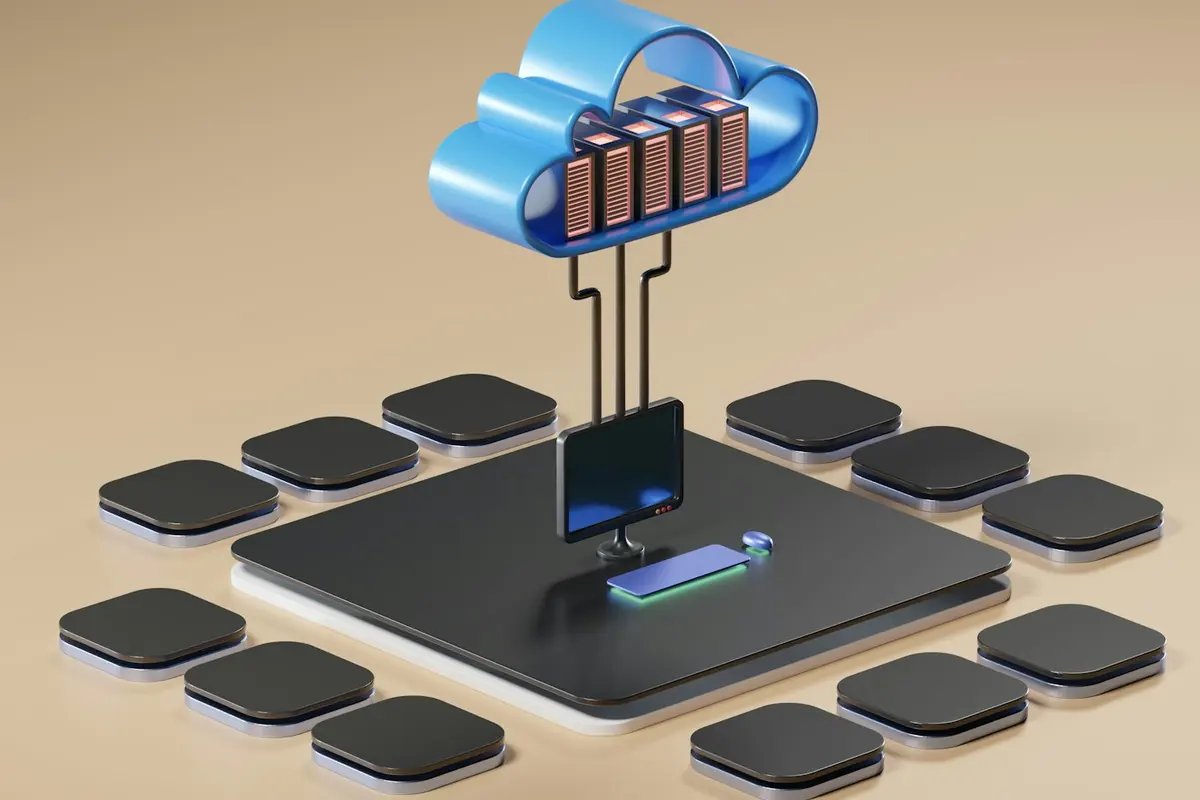 Cloud Migration & Platform EngineeringMove and operate workloads on cloud platforms with security, resilience, and velocity built in.
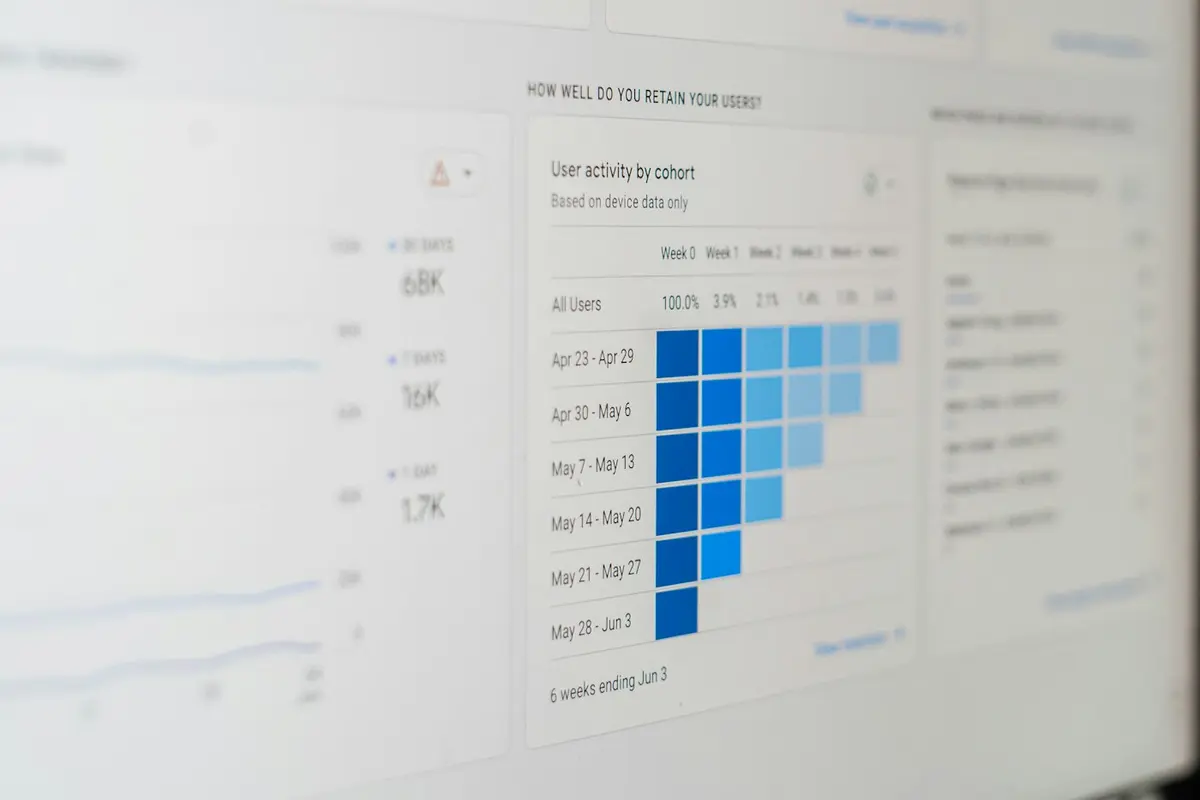 Cloud Architecture, FinOps & ReliabilityImprove cloud architecture, cost accountability, observability, and service reliability together.
A free consultation with our team. You leave with a clear view of the options, the likely scope and the next step, whether or not you work with us.